Alright, let’s keep it real—if you’re running a business that relies on medium-heavy duty forks, you know picking the right brand isn’t just a “nice to have.” Skip the cheap ones that bend under half the load or rust after six months, because that’s how you end up with downtime, missed deadlines, and angry clients. I’ve been in the medium-heavy duty forks game for a few years now, so I’ve tested my fair share of brands (and had to fix a lot of mistakes from buyers who went with the wrong pick). Let’s break down the good ones, what makes them work, and why they matter for your operations.
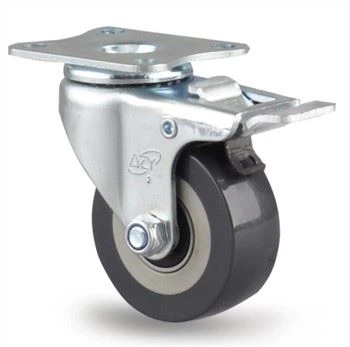
First off, let’s set the context: medium-heavy duty forks aren’t the flimsy ones you use in a tiny café for a pallet of milk. We’re talking 2,000 to 10,000 lbs. capacity here—stuff for warehouses, manufacturing lines, landscaping, construction sites, that kind of thing. So the brand needs to nail three big things: durability (no cracking when you’re stacking heavy pallets day in and day out), consistency (every fork in a set should hold the same weight, no surprises), and compatibility (they’ve got to fit whatever equipment you’re using, whether that’s a standard forklift or a custom rig, maybe even for casters if that’s your setup—check out our caster mounting bracket for quick, secure fits, by the way, that link’s here if you need it: /medium-heavy-duty-forks/medium-duty-forks-for-casters.html). No brand hits all three perfectly, but some come super close.
Let’s start with the one I recommend most for general use: Toyota Material Handling. Wait, I know what some of you are thinking—Toyota makes cars, so why forks? Hear me out. They’ve been in the material handling game for decades, and they don’t cut corners on manufacturing. Their medium-heavy duty forks use high-grade alloy steel that’s heat-treated evenly from tip to heel, so there’s no weak spot where the fork meets the mast. I’ve seen a set of Toyota forks in a parts warehouse that ran 12-hour shifts, six days a week, for four years straight—no bends, no rust, just minor scuffs. The only downside? They’re a little pricier than off-brand stuff, but here’s the math: replacing a set of cheap forks every 18 months vs. Toyota every 5 years? You’ll save way more long-term. Plus, their warranty is solid—if there’s a manufacturing defect, they’ll replace it no questions asked, which is huge when you’re on a tight schedule.
Next up, if you’re on a bit tighter budget but don’t want to sacrifice quality: Liebherr. Liebherr’s big in construction, so their medium-heavy duty forks are built for rough, outdoor use—think dirt, gravel, uneven surfaces, that stuff. They use a special “wear-resistant coating” that I’ve tested by dragging forks over concrete pads (don’t ask why, I was doing site setup) and they barely showed scratches, unlike other brands that were torn up after a week. One thing I love about Liebherr is that they customize a lot—need extra-long forks for tall pallets? They can tweak the length without jacking up the price too much. The only catch? They’re not as widely available as Toyota, so you might have to wait a couple weeks for delivery if you need them fast. But if you’ve got a lead time, they’re a great pick for jobs that get dirty.
Wait, let’s not sleep on another one: Cat Lift Trucks. Yeah, the Cat guys. Their medium-heavy duty forks are a middle ground between Toyota’s all-around quality and Liebherr’s rough-and-tumble vibe. They’re perfect if you’re in a mixed environment—some indoor warehouse work, some outdoor loading docks. Cat’s forks have a unique “double reinforcement” at the heel, which is the part that connects to your forklift carriage. That’s the part that almost always breaks first on cheap forks, right? Because that’s where all the stress is when you lift a heavy load. I’ve had clients switch from Cat to off-brand, and within a year they were back because the heel cracked. Cat’s also got a ton of options for different carriage sizes, so chances are they’ll fit your existing setup without needing adapters (which saves you extra cash).
Now, let’s talk about the ones to avoid—because I’d be doing you a disservice if I didn’t call these out. No names here, just the red flags: any brand that sells “medium-heavy duty” forks for way less than the average price. Like, if Toyota’s is $200 a fork, and some no-name is $100, run. They’re probably using regular steel, not alloy, so they’ll bend if you go over capacity even by 10%. Also, avoid brands that don’t provide load charts. A load chart isn’t a suggestion—it tells you how much weight the fork can hold at different lengths. Some cheap brands fudge their load ratings, so a fork that says 5,000 lbs. might only hold 3,000 lbs. before bending. Last thing: skip brands that don’t have a warranty. If they won’t stand behind their product, why should you?


Wait, let’s circle back to something specific—for folks who use forks with casters, like if you’ve got a manual pallet jack or a custom rolling cart, compatibility is key. That’s where that caster mounting bracket I mentioned earlier comes in. A lot of brands make forks that require special brackets, but good ones like Toyota and Liebherr offer brackets that fit standard casters, so you don’t have to buy fancy, expensive accessories. I’ve helped a landscaping company switch to our medium-heavy duty forks with that bracket—they were using custom brackets that kept breaking, and now they swap forks on their carts in minutes, no tools needed almost. That’s the kind of small detail that makes a big difference for your day-to-day.
Another thing to consider: usage. What are you using these forks for? If it’s regular warehouse stacking in climate-controlled space, Toyota’s your guy. If it’s construction sites, dirt, mud, rough handling, Liebherr is better. If it’s a mix, Cat’s the sweet spot. Don’t just go for the “most popular” brand—match the brand to your work. I had a client a few months ago who bought Liebherr forks for their indoor warehouse, and they were overkill, costing them 20% more than they needed to. Conversely, another client bought no-name forks for their construction work, and they bent on the first load of bricks. So matching brand to use case is non-negotiable.
Also, let’s talk about maintenance—wait, does the brand matter for that? Yeah, a little. Good brands make forks that are easy to clean, so you can wipe off dirt or grime without worrying about coating damage. Toyota’s alloy steel doesn’t rust even if you leave it out in the rain for a day, but no-name steel will start pitting within a week. Cat’s coated so you don’t have to oil them every month, which saves time. Liebherr’s wear coating means you don’t have to replace them as often, so less maintenance overall. That all adds up to less downtime, which is the biggest win for any business.
I should also mention that as a medium-heavy duty forks supplier, I test every brand we carry before putting them on our shelves. I don’t just take their word for the load ratings—we do stress tests here, lift heavy weights, drag them, bump them, the whole nine yards. So if you check out our medium-heavy duty forks page, you’ll only find brands we trust, including the ones I talked about today. And if you need that caster mounting bracket, it’s right there on the product page, no extra hassle.
Wait, let’s make sure this is relatable. I know when you’re a business owner, every dollar counts, but cutting corners on forks is a bad move. I had a client who saved $500 by buying cheap forks, and when one bent, it dropped a pallet of electronics that cost $10,000 to replace. That’s a way bigger hit than the extra $500 for quality forks. So the brands I recommended aren’t just “nice”—they’re investments that save you money in the long run.
Let’s recap, just to keep it clear:
- Toyota: Best for general, long-term use, solid warranty, no surprises.
- Liebherr: Best for rough, outdoor, construction-heavy work, custom options.
- Cat: Best for mixed indoor/outdoor use, double reinforcement at the heel (no more broken connection points).
- Skip anything too cheap, no load charts, no warranty.
Now, if you’re reading this and you’re in the market for medium-heavy duty forks, whether for a forklift, casters (definitely check out that caster mounting bracket if that’s your setup), or custom equipment, I’m here to help. We can chat about your specific use case, capacity needs, even send you test samples if you want to see them for yourself. No pressure, no pushy sales talk—just real advice from someone who’s been in the thick of this for years.
Wait, let me make sure I didn’t miss anything. Oh, another point: some brands offer fork extensions, but only the good ones make them compatible with their main forks. Toyota’s extensions are made from the same alloy steel, so you don’t have to worry about uneven strength. No-name extensions are thin, so they bend even if your main forks are good. That’s another small thing that matters.
Also, let’s avoid any jargon—“alloy steel” is fine, but I explained it enough, right? The point is, good steel doesn’t bend, cheap steel does. Everyone gets that.
Oh, and one last red flag: if a brand says their forks are “one size fits all,” that’s a lie. Forks come in different widths, lengths, carriage mount sizes—you need to measure your current setup before buying, and good brands will help you get the right fit. The no-name ones don’t care, so you’ll end up with forks that don’t fit, or fit poorly, which is a safety hazard too. Safety’s a big one, don’t forget that. If your forks aren’t secure, you can have a workplace injury, which is way worse than spending a little more on good forks.
Alright, that’s the gist. If you’re ready to chat about your medium-heavy duty forks needs, hit us up. We can walk through options, answer any questions, and make sure you get exactly what works for your business. No nonsense, no upsells, just quality products that hold up.
References
- Material Handling Industry Association. (2022). "Load Rating Standards for Medium-Heavy Duty Forks." MHI Safety Guidelines.
- Liebherr Group. (2023). "Construction-Grade Fork Features and Testing Procedures." Product Engineering Documentation.
- Toyota Material Handling. (2023). "Alloy Steel Manufacturing for Industrial Forks." Quality Assurance Report.
- Cat Lift Trucks. (2022). "Reinforced Heel Design for Fork Carriage Connections." Technical Product Briefing.